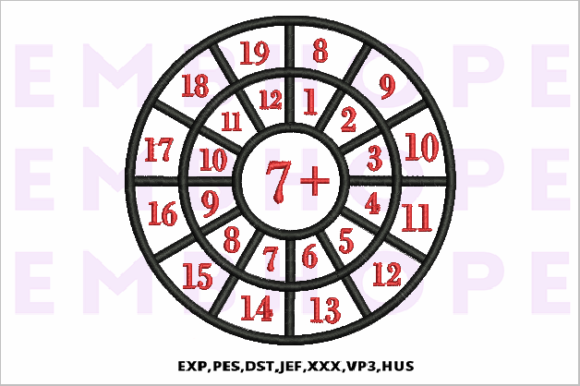
Addition Wheel 7
A Bright Spark for Learning and Embroidery
As a designer who’s stitched through countless projects, I’m always on the lookout for embroidery designs that balance creativity with practicality. Addition Wheel 7 caught my eye not just for its educational theme, but for how it feels in the hands of a craftsperson. It’s a design that speaks to both the classroom and the creative studio, offering a playful yet purposeful presence.
The First Impression: A Cheery Math Tool
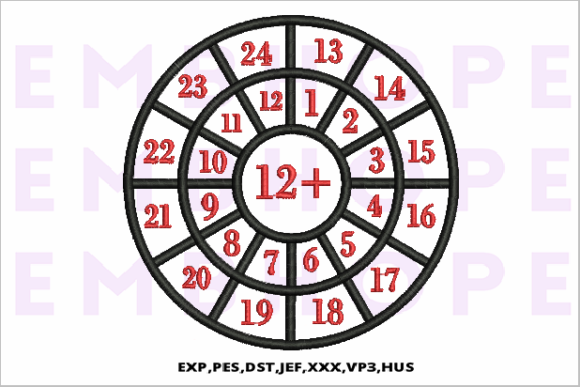
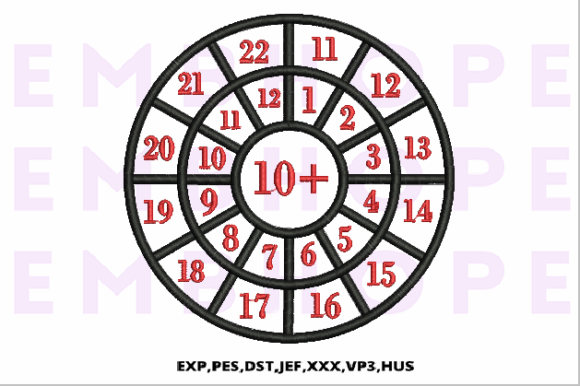
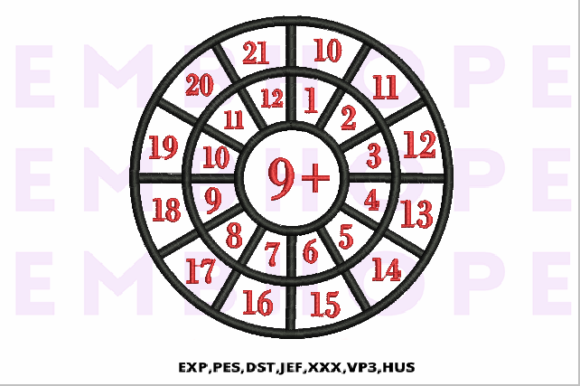
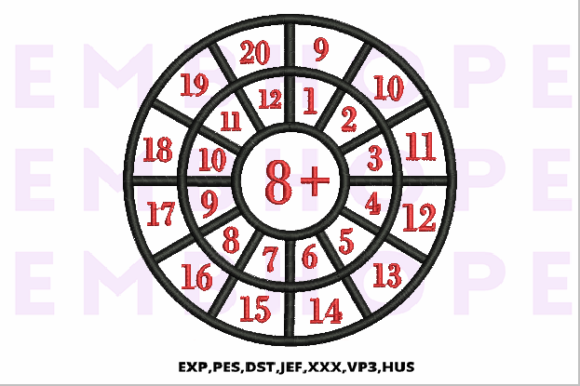
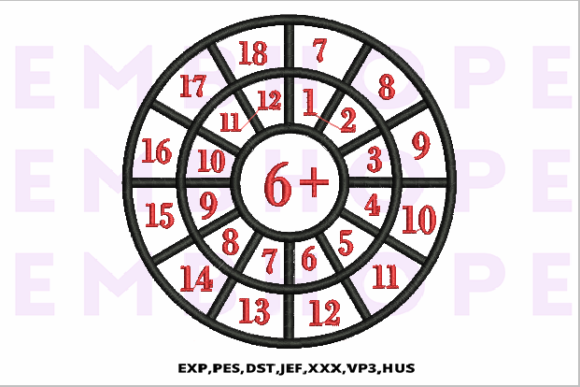
At first glance, Addition Wheel 7 is a vibrant, circular design featuring numbers and symbols in bold, cheerful colors. The layout is clean, with enough spacing between elements to avoid visual clutter. The color palette is bright and inviting, making it perfect for engaging young learners or adding a fun touch to any handmade project.
The overall mood is upbeat and educational, which aligns well with its intended use in schools or as a learning aid. However, as someone who works with embroidery files daily, I found myself thinking about how this design would translate to fabric. Would the colors hold up? Would the details remain sharp after stitching?
Real-Life Use Case: Custom Tote Bag for a Classroom Project
Let’s imagine a scenario where Addition Wheel 7 is used to embroider a custom tote bag for a classroom activity. The tote would be a durable canvas or cotton blend, ideal for holding supplies and encouraging kids to practice math on the go. The design would sit prominently on the front, surrounded by simple, neutral stitching to keep the focus on the wheel itself.
In this context, the design’s simplicity becomes an asset. The clear lines and bold shapes make it easy to stitch, even for those new to machine embroidery. The bright colors stand out against the fabric, ensuring visibility without overwhelming the viewer. This makes it a great choice for custom apparel, sweatshirt embroidery, and personalized gifts.
Stitching Performance and Practical Considerations
When testing Addition Wheel 7 on scrap fabric, the design holds up well in terms of clarity and stitch density. The fill stitch and satin stitch techniques are well-executed, creating a smooth, rounded look that matches the intended aesthetic. However, there are a few considerations to keep in mind before moving forward.
- Small hoop sizes: The design may require a larger hoop to ensure all elements are visible and properly stitched.
- Dark fabrics: While the bright colors work well on light backgrounds, they may lose some vibrancy on darker fabrics. Testing on a black or navy background is recommended.
- Textured or stretchy fabrics: These can affect the final appearance of the design, especially around the edges and corners. Proper stabilizer use is essential to maintain shape and detail.
- Dense stitch areas: The center of the wheel features intricate patterns that may require careful stitching to avoid distortion or thread breakage.
- Curved surfaces: If using the design on a cap or hat, the curvature might cause some parts of the design to stretch or appear off-center. A mockup or test run is highly advised.
Design Impact on Product Value and Customer Trust
From a craft business perspective, Addition Wheel 7 has the potential to add value to a range of products. Whether it’s a personalized gift, a holiday embroidery item, or a small shop product, the design brings a sense of playfulness and purpose. It’s the kind of design that could become a signature piece for a brand focused on educational crafts or child-friendly decor.
However, customer trust hinges on consistency and quality. A well-executed embroidery file should look the same across different fabric types and applications. For commercial embroidery or digital product sellers, it’s important to ensure that the design maintains its integrity when scaled or printed as a printable mockup.
Design Notes for Embroidery Professionals
If you’re considering using Addition Wheel 7 in your own projects, here are a few key tips to keep in mind:
- Test on scrap fabric: Always do a test run before committing to a final product. This helps identify any issues with stitch density, color contrast, or alignment.
- Check thread color contrast: Ensure that the chosen thread colors provide sufficient contrast against the fabric, especially for small text or detailed elements.
- Confirm hoop size: Measure the design to determine the appropriate hoop size for your machine. A too-small hoop can lead to distorted stitching.
- Use proper stabilizer: Especially for stretchy or thin fabrics, a high-quality stabilizer will help maintain the design’s shape and detail.
- Inspect small details: Pay attention to tiny lettering and decorative accents—these can easily be missed during a quick review.
- Test in black and white: This helps assess the design’s structure and ensures that all elements are legible and balanced.
- Compare light and dark backgrounds: A design that looks good on one fabric type may not translate well to another.
- Confirm licensing: If planning to sell finished items or digital products, verify the licensing terms to avoid any legal issues.
Conclusion: A Versatile Design for Educators and Crafters
Addition Wheel 7 is more than just a math tool—it’s a versatile design that can enhance a variety of embroidery projects. From custom apparel to handmade products, it offers a balance of functionality and visual appeal. With the right preparation and attention to detail, it can become a standout piece in your collection.
Whether you’re an Etsy seller, a small shop owner, or a creative entrepreneur, Addition Wheel 7 is worth considering for its educational value and design versatility. Just remember to test, adjust, and refine before finalizing any project. After all, the best embroidery isn’t just about what you stitch—it’s about how it looks and feels once it’s on the fabric.